I was the kid nobody could figure out.
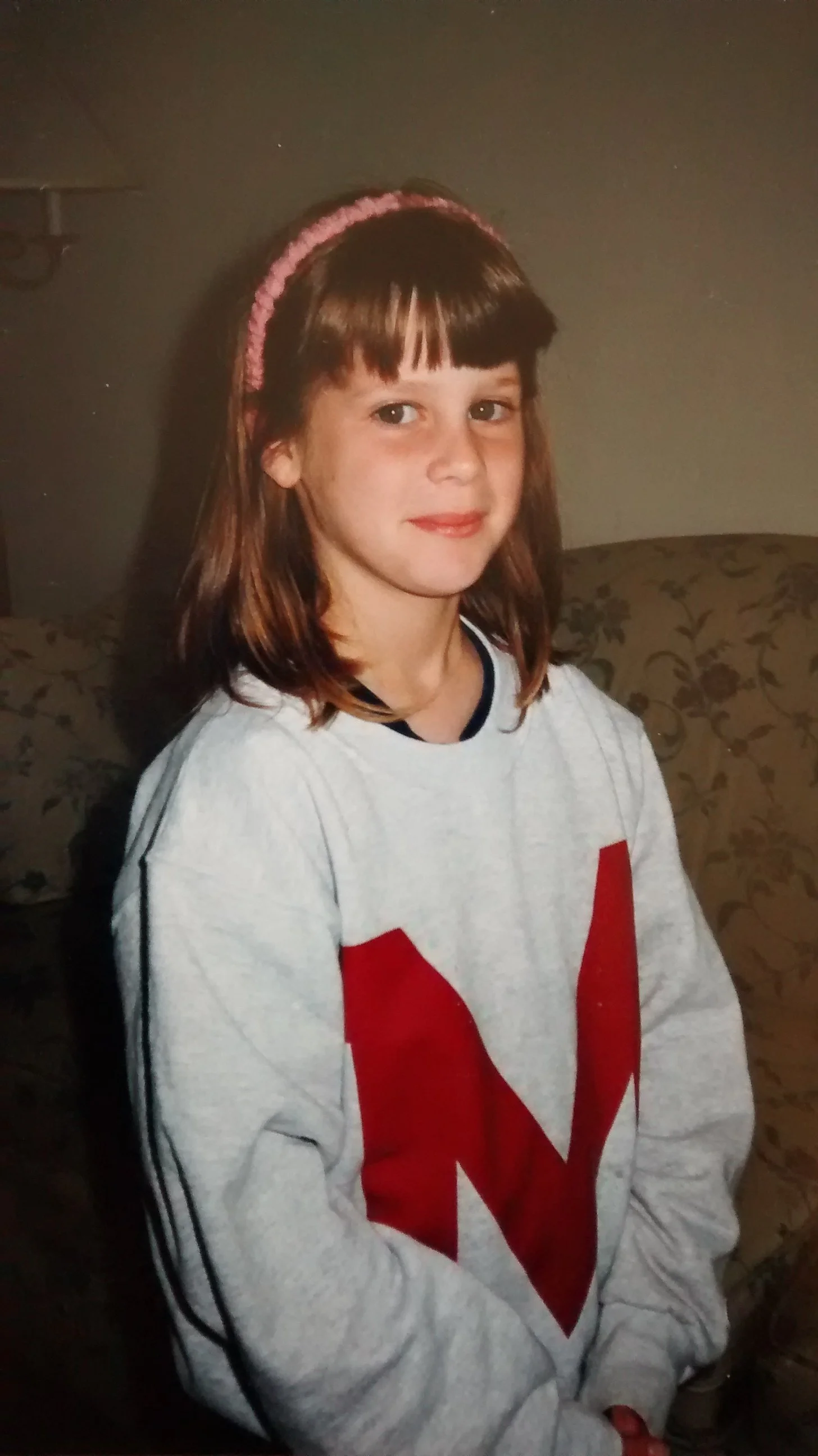
I was strong-willed, sensitive, highly sensory, and intuitive. I didn't fit the frameworks my parents had for understanding a child. My earlier siblings had been easier to read. The approach that worked with them just didn't translate to me, and nobody quite knew why. My mom loved me and genuinely wanted to understand me. She used to ask me, as a teenager and again as an adult: What should I have done differently? What would have worked?
I think about that question a lot. Because the answer, as I've come to understand it, is that she needed someone who could look at the bigger picture and see me in it, see what I was reacting to, help her understand what was actually happening underneath the behavior, and point her toward what might actually work. She needed a clarity consultant. She just didn't have one.
I was an orchid. A particular kind of person who needs particular conditions to thrive. The problem was, nobody knew yet what those conditions were, or how to create them.
Growing up as someone nobody could quite figure out has a way of shaping you. I journaled as a kid because I wanted to preserve how I saw things. I knew adults forgot, and I was afraid that if I didn't write it down, no one would remember what it had actually felt like to be me. I read parenting books. I read books about teachers who broke through to complex kids. I was determined that when I grew up, I would be the person who could see what everyone else was missing.
I found out I already was.
I was home from college for Christmas when I met my niece Freya for the first time. She had been adopted three months earlier with institutional autism and global developmental delays. My sister and her husband had spent those three months trying to connect with her, bond with her, reach her. No response. Freya was fully absorbed in her own world.
The day I met her, Freya was lying on a blanket on the floor, playing with her feet like a newborn. Within 20 minutes of meeting her, she was looking at me. Imitating me. Smiling.
My sister asked how. I didn't have a sophisticated answer. I just joined her world with no expectation that she join ours. That was it. And it turned out to be the most important thing I knew how to do.
Because of Freya, I went back to school for a master's degree in occupational therapy.
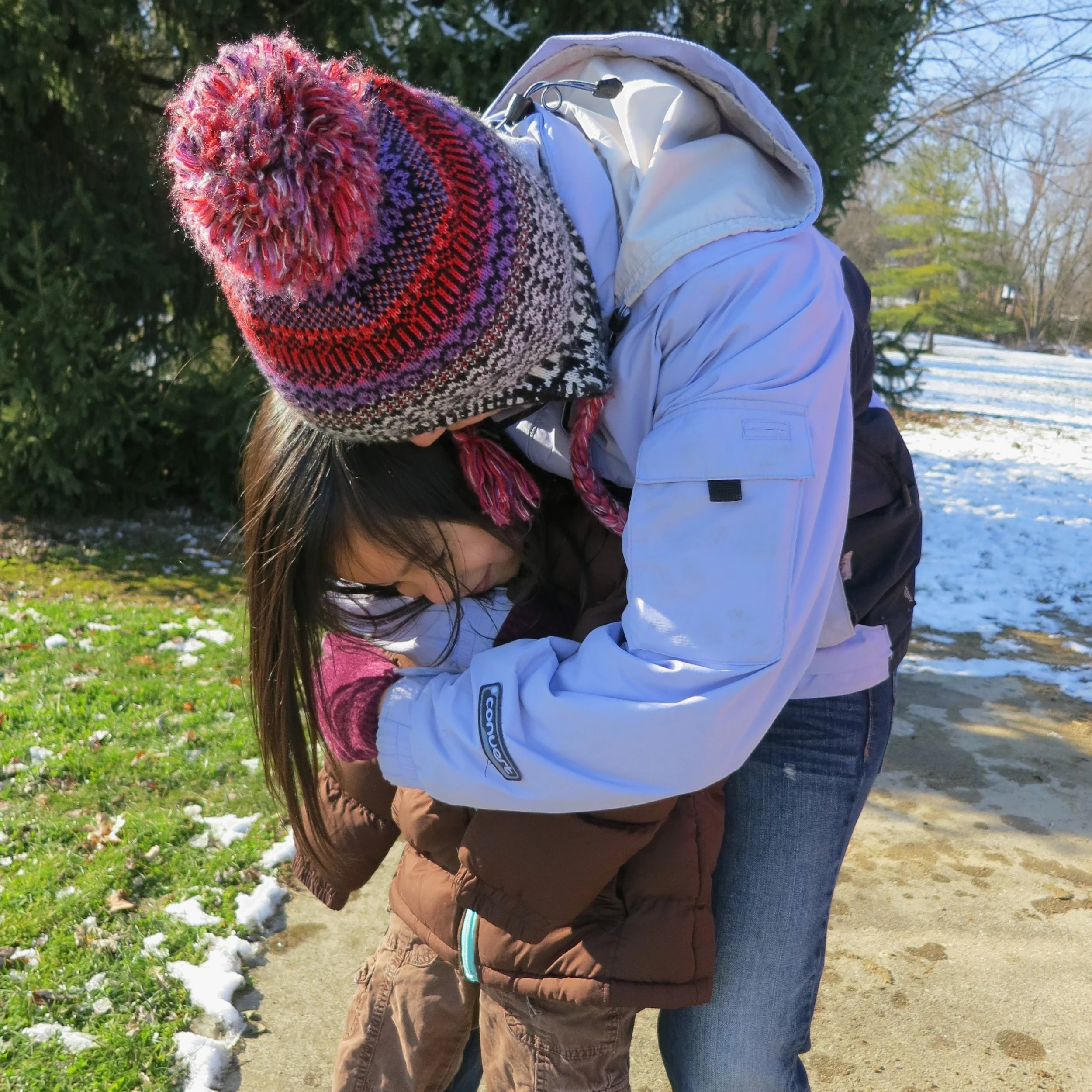
How I trained the gift
Washington University in St. Louis taught me how to think more than they taught me what to do. OT is a discipline of analysis at its core. You break a situation into its components, break the components into smaller pieces, and keep looking for the thing underneath the thing that is actually keeping someone stuck. You look for what's not being said but is lingering just underneath. Patterns. Themes. Foundational layers. Connections between things that look unrelated, because humans are interconnected in ways that most frameworks don't account for.
I think of it like the game Bananagrams. With every new piece of information, there's an opportunity to stop, take a bird's eye view of everything you thought you knew, and rebuild the picture around this new piece. You don't force it to fit. You rebuild until it does.
Around the same time, I began training in short and long-form improv comedy. Improv taught me to listen not just for what's being said but for everything that isn't. The emotional tone underneath the words. The implication. The pattern. The game underneath the game. One of the core questions we were trained to ask was: if this is true, what else must be true? That question changed how I listen.
The combination of OT analysis and improv listening is what I bring to every session.
Why I do this
I've spent my career using these skills with complex kids and families across a range of settings (mental health, outpatient, schools, day treatment). I've loved that work. And over and over, the moments that meant the most were the clarity moments. When a parent finally understood what was happening with their child. When the fog lifted and they knew what to do next.
I built Annie Chase Consulting to do that specific thing, more fully, for more people. Parents of complex kids. Professionals navigating complexity in their business or clinical work. Anyone standing in the fog who needs someone to look at the whole picture and find what everyone else has been missing.
My mom's question (what should I have done, what would have worked) is one I still can't fully answer. Not because I didn't know my mom or myself well enough, but because it was never the right question.
She wanted someone to tell her what to do. What I would have helped her see is what was actually there: a daughter who was highly sensitive, fighting for a sense of safety, running low on trust. Not a problem to solve. A picture to understand.
That's what I do. I don't tell people what to do. I help them see what's actually there. And once you can see it clearly, the next step tends to become obvious on its own.